The Devil's Highway
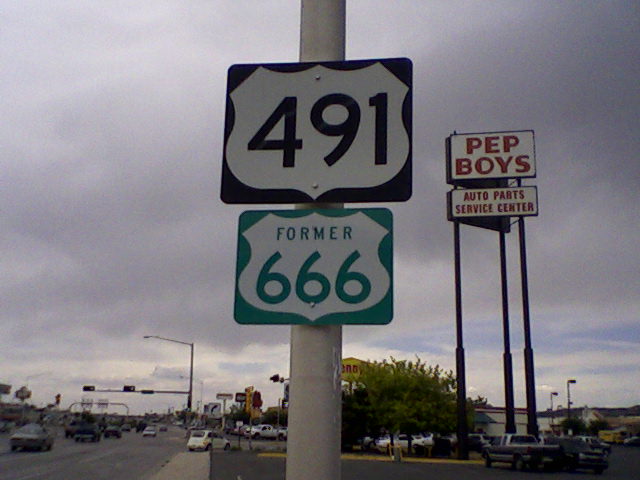
In 1926, a clerk with a numbering chart made a decision that would haunt the American Southwest for 77 years. U.S. Route 66 needed branch routes, and the numbers between 166 and 566 were taken. So the sixth spur got 666. Nobody in the room was thinking about the Bible. It was paperwork.
But paperwork built a legend. U.S. Route 666 ran through the Four Corners — New Mexico, Colorado, Utah, a slice of Arizona — cutting across Navajo Nation land, past Ute Mountain and the volcanic spire of Shiprock. And for decades, drivers told stories: a blazing 18-wheeler barreling out of the dark, cab wreathed in flame. A young woman in white by the roadside — no face, just blank skin — gone in the rearview. Black dogs with yellow eyes charging out of the desert, shredding tires.
Here’s the twist nobody tells: the Navajo never feared the number. That’s a Christian association. Navajo leaders pushed for years to change it — not because of Satan, but because the road was killing people. By 1997, US 666 was one of the 20 most dangerous highways in America. The “devil” stigma was scaring off tourism and investment on tribal land. The number was a red herring. The asphalt was the curse.
On May 31, 2003, US 666 officially ceased to exist, becoming US 491. Within days, virtually every 666 sign in the Southwest was stolen — chainsaws, car-rammed posts, eBay listings. America’s most cursed highway wasn’t defeated by priests. It was defeated by souvenir hunters.
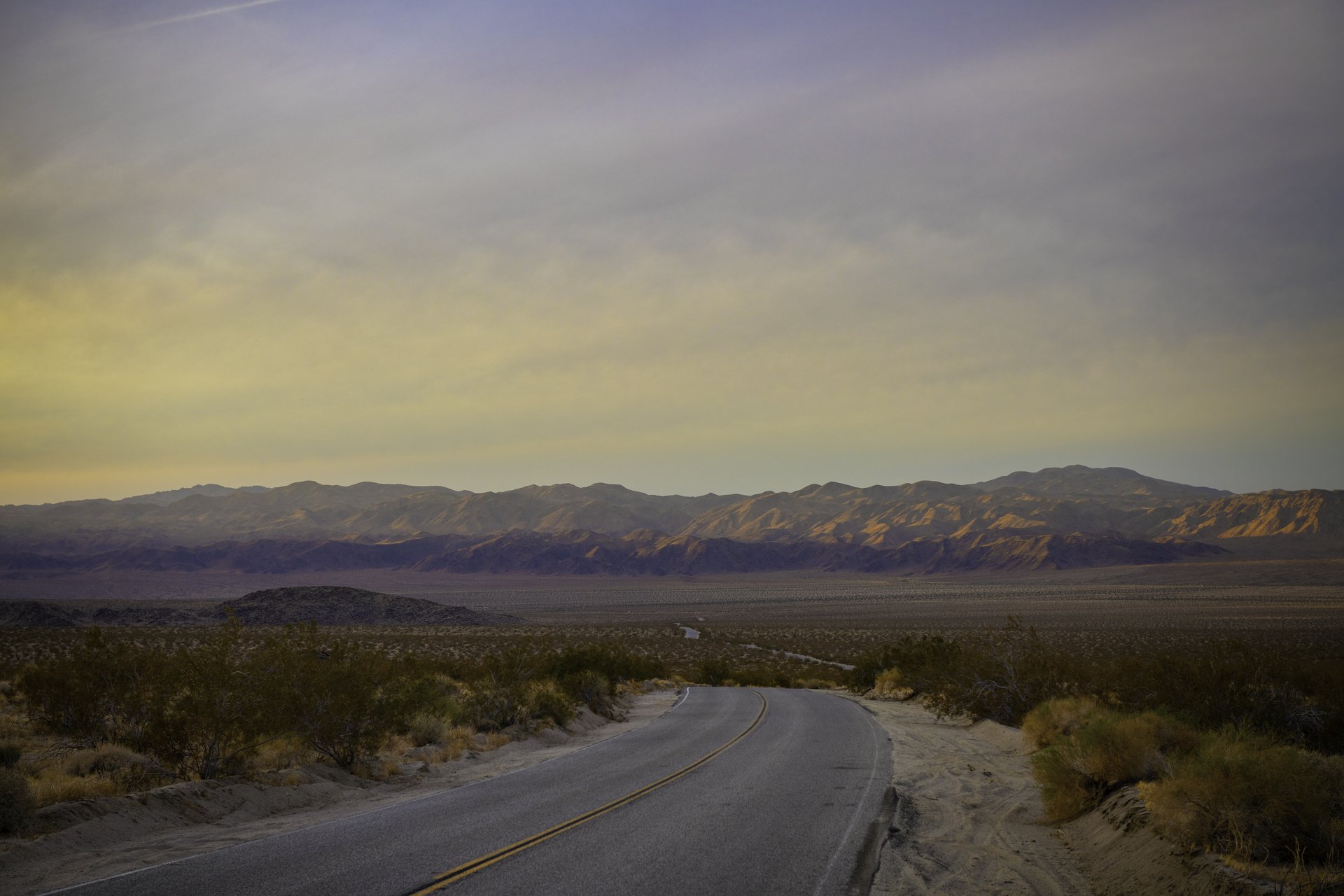
I know that road. I drove a truck through there — my run went past Shiprock, that volcanic spire rising out of the Navajo Nation like something from another world, on the way to Farmington. You don’t forget a road like that. The desert at night, nothing but your headlights and the dark. You understand why people see things out there. Or why they think they do.